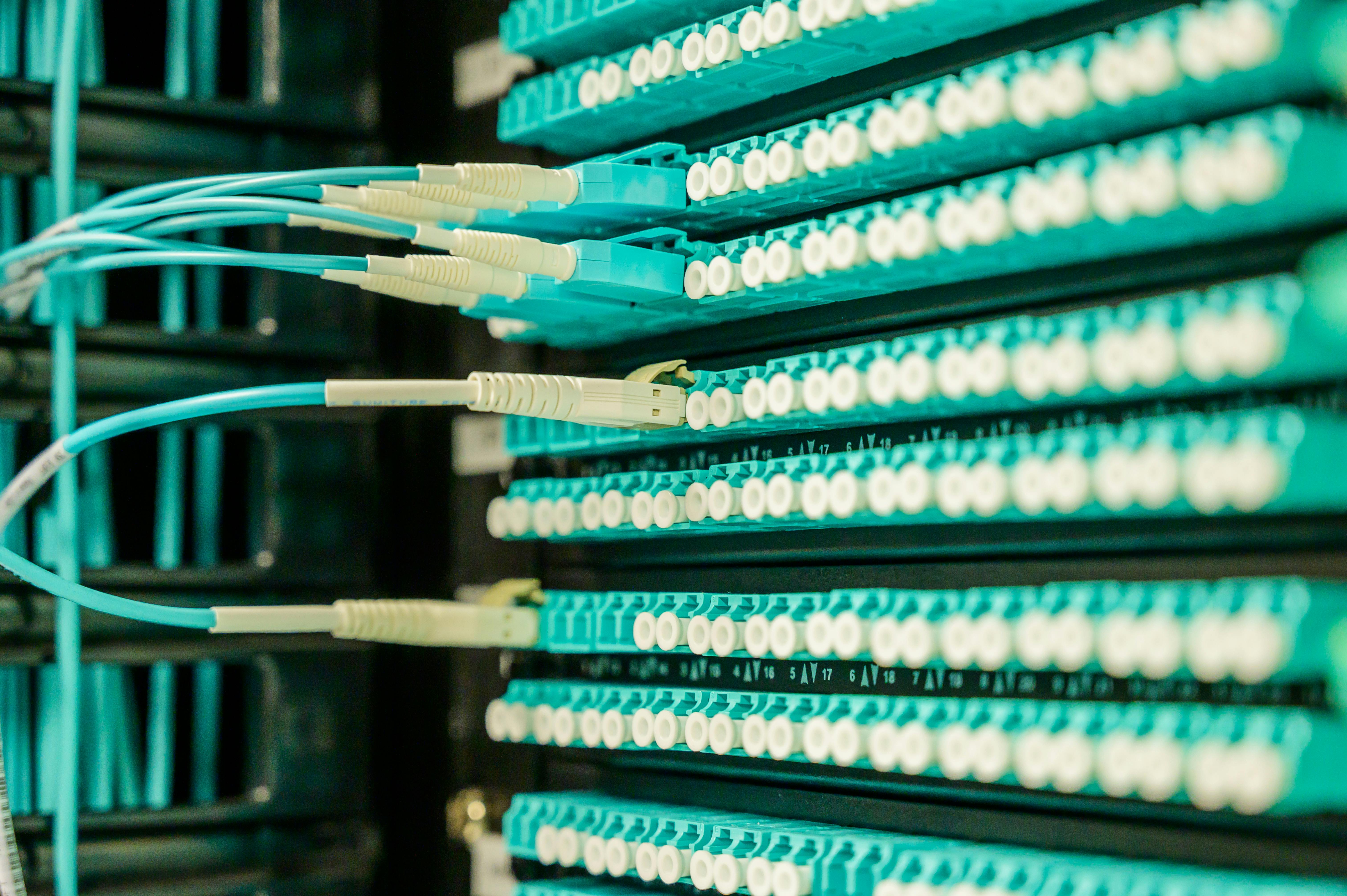
Original Equipment Installation: From Rack Design to Commissioning

Original Equipment Installation (OEM): From Rack Design to Commissioning
In today’s digital world, networks are growing faster than ever. From data centres to telecom infrastructure, businesses rely on strong and stable systems to stay connected and competitive. However, the real success of any network starts with one important step — original equipment installation.
It is not just about placing hardware into racks. It is about planning, precision, and proper execution. From designing the rack layout to final commissioning, every step must be handled carefully.
At Genesis Technology, we understand that even a small mistake during installation can lead to downtime, performance issues, and increased costs. That is why a structured approach to OEM hardware installation and data centre hardware installation is critical.
What Is Original Equipment Installation?
Original equipment installation is the process of installing hardware supplied by manufacturers into a network or data centre environment. This includes servers, routers, switches, transmission equipment, and more.
The goal is simple: ensure that every piece of equipment works smoothly from day one.
Key Components of Installation
Rack design and planning
Equipment mounting
Power connections
Network cabling
Configuration and testing
Final commissioning
A well-executed installation ensures that systems run efficiently and are ready for future upgrades.
Why Original Equipment Installation Matters
Many businesses underestimate the importance of proper installation. However, poor installation can lead to serious problems.
According to industry studies, nearly 70% of network downtime is linked to human error during installation or configuration. This shows how important it is to get things right from the start.
Benefits of Proper Installation
Reduces downtime
Improves system performance
Enhances safety
Supports scalability
Saves long-term costs
When done correctly, original equipment installation becomes the foundation of a reliable network.
Step-by-Step Process: From Rack Design to Commissioning
A successful installation follows a clear and structured process. Let us break it down step by step.
1. Planning and Site Assessment
Before any hardware arrives, a detailed plan is created.
This includes:
Understanding network requirements
Checking available space
Evaluating power and cooling needs
Planning cable routes
Proper planning helps avoid delays and costly mistakes later.
2. Rack Design and Layout
Rack design is one of the most important stages.
A well-designed rack ensures:
Proper airflow
Easy maintenance
Efficient cable management
Optimal space usage
Best Practices for Rack Design
Keep heavier equipment at the bottom
Maintain proper spacing for cooling
Label everything clearly
Plan for future expansion
This stage sets the foundation for the entire installation.
3. Equipment Installation
Once racks are ready, the next step is installing the hardware.
This includes:
Mounting servers, switches, and routers
Securing equipment properly
Aligning devices for accessibility
In OEM hardware installation, following manufacturer guidelines is critical to avoid damage and ensure warranty compliance.
4. Power and Connectivity Setup
After installing the equipment, power and connectivity are configured.
This involves:
Connecting power supplies
Installing backup systems
Running structured cabling
Ensuring proper grounding
For data centre hardware installation, this step must meet strict safety standards.
5. Configuration and Integration
Once hardware is powered, it needs to be configured.
This includes:
IP configuration
Software setup
Network integration
System testing
This step ensures all devices communicate properly within the network.
6. Testing and Commissioning
The final stage is commissioning.
This includes:
Performance testing
Connectivity checks
Load testing
Documentation
Only after successful testing is the system considered ready for use.
Challenges in Original Equipment Installation
Even with a structured process, challenges can arise.
Common Issues
Incorrect rack design
Poor cable management
Power distribution errors
Lack of documentation
Inexperienced technicians
These challenges can lead to delays, downtime, and increased costs.
Best Practices for Successful Installation
To ensure smooth deployment, follow these best practices:
1. Follow Manufacturer Guidelines
Always follow instructions from the original equipment manufacturer to avoid issues.
2. Use Skilled Technicians
Experienced professionals ensure accurate and safe installation.
3. Plan for Scalability
Design your infrastructure to support future growth.
4. Maintain Documentation
Keep records of configurations and layouts for easy troubleshooting.
5. Test Everything Thoroughly
Never skip the testing phase before going live.
How Genesis Technology Supports OEM Hardware Installation
At Genesis Technology, we provide end-to-end solutions for original equipment installation across telecom and data centre environments.
Our services include:
Rack design and planning
OEM hardware installation
Data centre hardware installation
Structured cabling
Power and connectivity setup
Testing and commissioning
With decades of experience in telecom and digital infrastructure, we ensure that every deployment is efficient, reliable, and future-ready.
Real-World Example
Imagine a large data centre project where hundreds of racks need to be installed across multiple floors.
Without proper planning:
-
Cable lengths may be incorrect
-
Cooling may be inefficient
-
Equipment may be difficult to access
However, with a structured original equipment installation approach:
-
Installation is faster
-
Errors are minimised
-
Performance is optimised
This is the difference that expert installation makes.
The Future of OEM Hardware Installation
The industry is evolving rapidly.
With the rise of:
AI-driven networks
Edge computing
5G infrastructure
Installation processes are becoming more advanced.
Automation, predictive analytics, and remote monitoring are now part of modern deployments.
Companies that adopt these technologies will have a clear advantage.
Conclusion
Original equipment installation is more than just placing hardware into racks. It is a critical process that impacts the performance, reliability, and scalability of your entire network.
From rack design to commissioning, every step must be handled with care and expertise.
At Genesis Technology, we ensure that your infrastructure is built right from the start — reducing risks and improving efficiency.



First Coffee, Then Solutions
Every great partnership begins with a conversation. Whether you have a question, need expert advice, or want to explore new opportunities, our team is ready to assist. Let’s connect and discuss how we can drive success together.
FAQ
It is the process of installing hardware supplied by manufacturers into a network or data centre environment, including setup and testing.
It ensures that equipment works correctly, reduces downtime, and improves overall network performance.
It includes rack setup, equipment installation, cabling, power configuration, and commissioning.
It depends on the project size. Small setups may take days, while large data centres can take weeks.
Poor planning, incorrect cabling, lack of testing, and ignoring manufacturer guidelines are common issues.
Genesis Technology provides end-to-end installation services, ensuring efficient, reliable, and scalable deployments.