
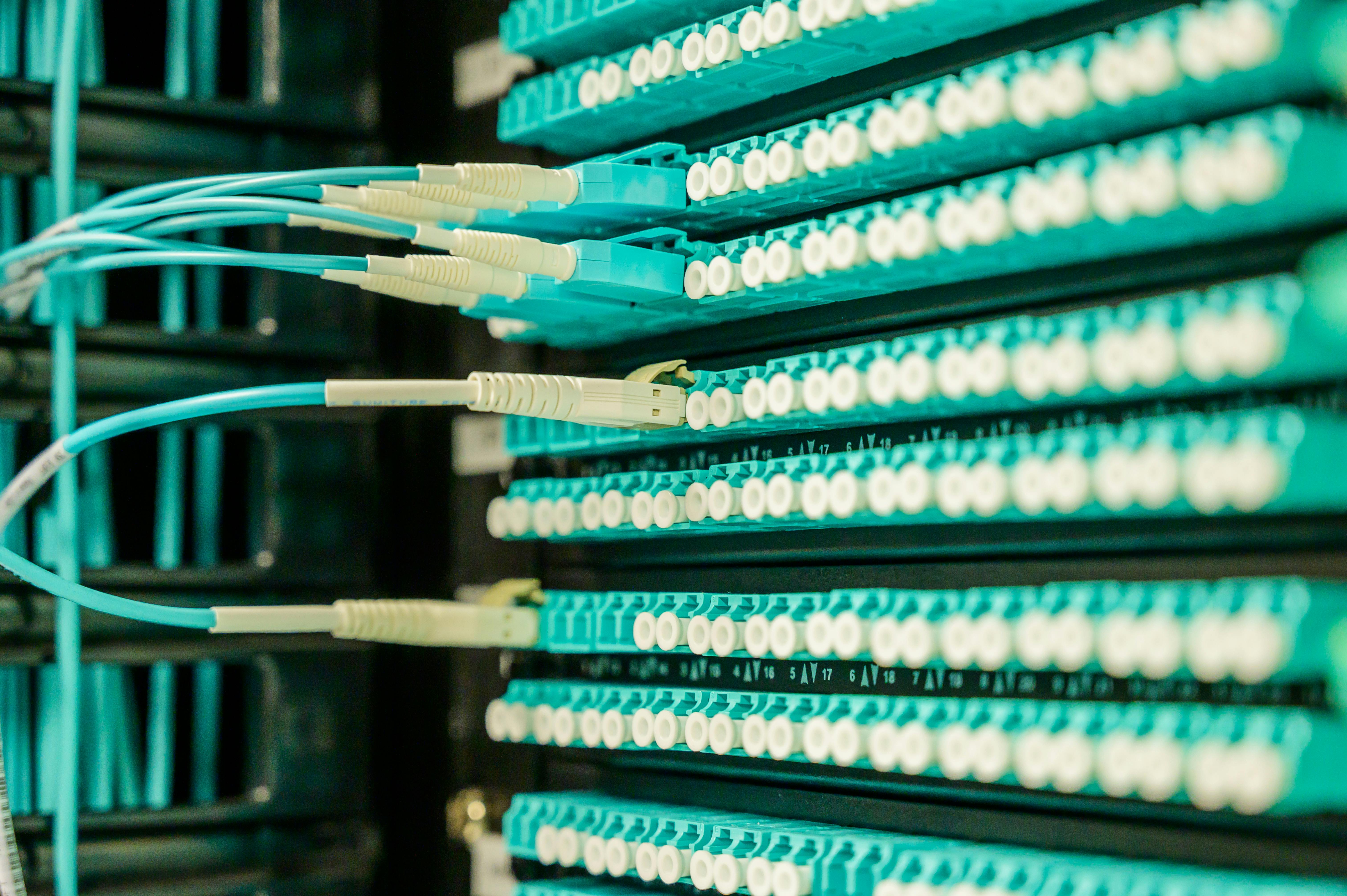
The Gap Between Network Design and Real-World Deployment

The Gap Between Network Design and Deployment
When a telecom project looks perfect on paper but struggles during rollout, the issue is often not the technology. It is the gap between Network Design and real-world deployment.
Many businesses invest time and money into planning strong network systems. Yet delays, extra costs, coverage issues, and site problems still happen. This is common across mobile networks, fibre builds, enterprise systems, and smart infrastructure projects.
A strong Network Design should not stop at drawings and documents. It must work in real locations, with real conditions, real budgets, and real deadlines.
At Genesis Technology, we understand that successful delivery depends on connecting design, field execution, and performance from day one.
Why the Gap Happens Between Design and Deployment
Many projects begin with a clear technical plan. However, once engineers move to the field, new issues appear.
1. Site Conditions Are Different from Plans
Maps and modelling tools are useful, but they do not always show real obstacles such as:
- Building materials blocking signals
- Power access problems
- Limited roof space
- Street access restrictions
- Unexpected safety concerns
This is why Network Design should always include site surveys and local checks.
2. Poor Communication Between Teams
Design teams and field teams often work separately. When installers do not understand the reason behind a design choice, mistakes can happen.
For example:
- Wrong antenna direction
- Incorrect cable routes
- Missing equipment space
- Poor rack layout
Clear handover between design and deployment teams is essential.
3. Budget Changes During Delivery
Many projects start with one budget and face pressure later. When lower-cost changes happen mid-project, the original Network Design may no longer fit.
This can lead to:
- Lower coverage quality
- Slower speeds
- More maintenance costs later
4. Timelines Are Too Tight
Operators often want faster rollout. But rushing delivery without proper checks creates rework.
According to industry studies, rework in infrastructure projects can cost between 5% and 15% of total project value. That is a major avoidable cost.
Why Good Network Design Must Be Practical
strong Network Design is not only about technical performance. It must also be easy to build, maintain, and scale.
Key Questions to Ask During Design
- Can the site team install this easily?
- Is there enough power and space?
- Can future upgrades be added later?
- What happens during bad weather or outages?
- Are health and safety rules covered?
If these questions are ignored, the project may fail even with a smart design.
The Role of Network Planning in Successful Delivery
Good Network Planning closes the gap between theory and reality.
It combines design thinking with real deployment needs.
Effective Planning Includes:
- Full site surveys
- Capacity forecasting
- Coverage modelling
- Risk checks
- Material planning
- Access permissions
- Timeline management
- Testing strategy
This approach reduces delays and improves first-time success.
Real Example: Indoor Coverage Project
A business wanted better mobile coverage across a large office building. The original Network Design looked strong using floor plans only.
Once the team visited the site, they found:
- Thick concrete walls
- Hidden cable route issues
- No spare power in key areas
- Restricted working hours
The design had to be changed before installation.
Because the issue was found early, the client avoided wasted spend and completed the project on time.
How Genesis Technology Bridges the Gap
At Genesis Technology, we help clients move from plan to performance with practical delivery methods.
Our teams support projects across telecom and digital infrastructure with a focus on real outcomes.
Our Approach
1. Design with Deployment in Mind
We create solutions that engineers can build efficiently, not just designs that look good in software.
2. Strong Survey Process
Accurate site data helps reduce surprises later.
3. Close Team Coordination
Designers, project managers, and field engineers stay aligned throughout delivery.
4. Quality Assurance
Every stage is checked for safety, compliance, and performance.
5. Future Ready Thinking
We build systems that support upgrades, growth, and changing demand.
Signs Your Network Project Has a Design Gap
If you see these issues, there may be a disconnect between planning and delivery:
- Repeated site revisits
- Budget rising after approval
- Delayed installation dates
- Coverage lower than expected
- Frequent change requests
- Poor documentation handover
These signs should be addressed early.
Best Practices to Close the Gap
1. Involve Field Teams Early
Installers often spot practical risks that designers miss.
2. Use Real Site Data
Do not depend only on maps or drawings.
3. Build Flexible Designs
Allow room for future upgrades and changes.
4. Test Before Full Rollout
Pilot sites reduce large-scale mistakes.
5. Choose Experienced Partners
An expert delivery partner can save time and cost.
Why This Matters in 5G and Modern Networks
Today’s networks are more complex than ever.
5G, small cells, fibre backhaul, private networks, and smart buildings all require accurate Network Design with strong deployment control.
A small design mistake can affect:
- Speed
- Coverage
- User experience
- Maintenance cost
- Upgrade readiness
That is why businesses need more than planning. They need execution expertise.
What Decision Makers Should Look For
When choosing a network partner, ask:
- Do they handle both design and deployment?
- Can they manage surveys and field delivery?
- Do they have telecom project experience?
- Can they support future upgrades?
- Do they provide clear reporting?
This helps reduce project risk.
Conclusion
The gap between Network Design and real-world deployment is one of the biggest reasons telecom projects miss targets.
A design may look perfect on paper, but real success happens in the field.
That is where planning, surveys, communication, and expert delivery make the difference.
At Genesis Technology, we help businesses turn smart ideas into working networks that perform in the real world.
Ready to improve your next network project?
Contact Genesis Technology today and speak with our experts about practical network solutions built for real deployment success.
FAQ
1. What is Network Design?
2. Why do network projects fail during deployment?
3. What is Network Planning?
4. Why is site surveying important?
5. How does Genesis Technology help?
6. Why is practical design important for 5G?



First Coffee, Then Solutions
If you are planning to upgrade or build your data centre capabilities, now is the time to act. Genesis Technology is here to help you design and deliver reliable, scalable, and future-ready power infrastructure.

